

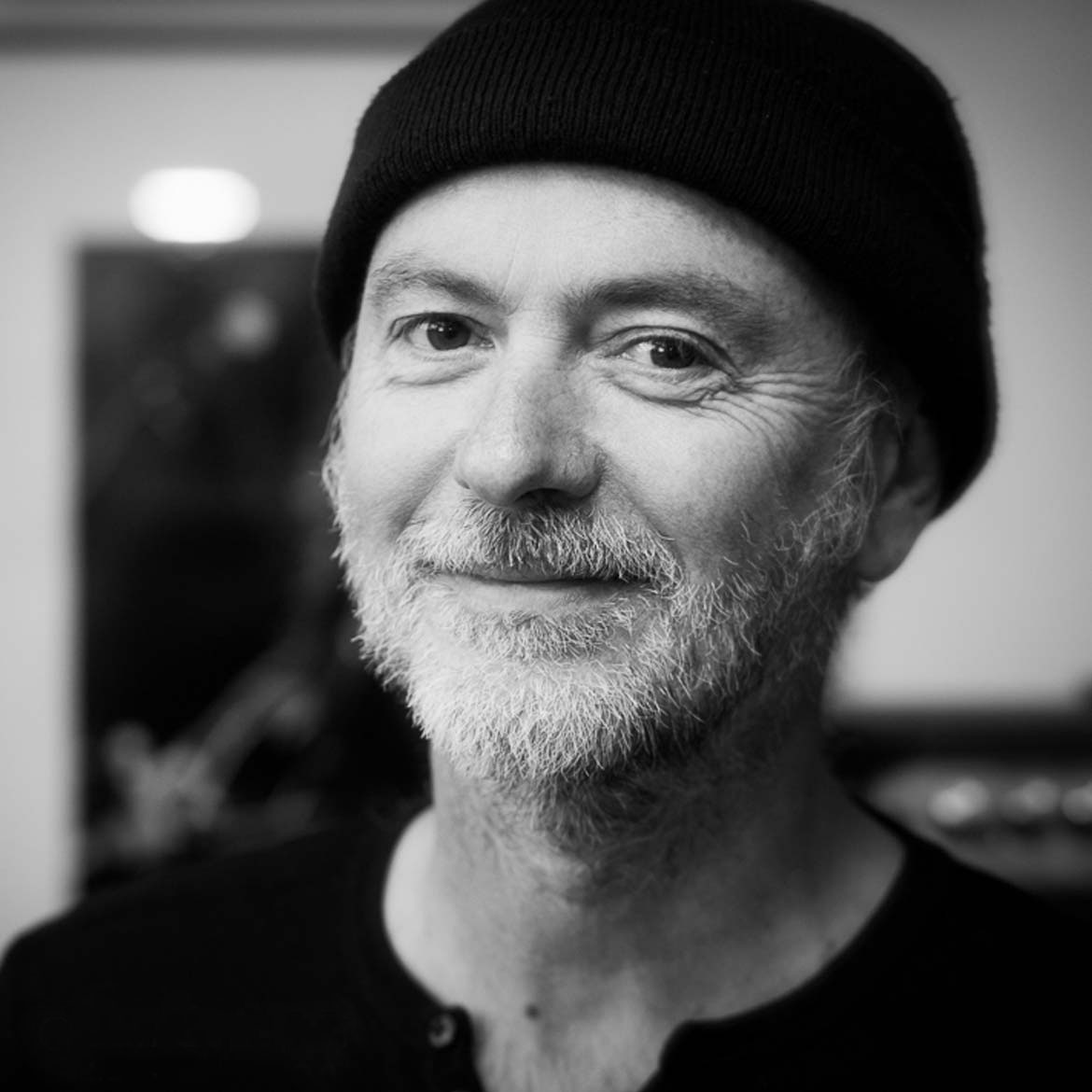
When Rob Ellis first found himself working with Marianne Faithfull in 2003, it was through his longstanding musical partnership with PJ Harvey, who had been writing songs with Marianne for what would become her album Before the Poison. Rob had already spent more than a decade working with Harvey, first as the drummer in her original trio and subsequently as a musician, arranger and producer, so his involvement in the sessions was a natural extension of that relationship.
What he couldn’t have anticipated was that it would lead to a friendship and creative partnership with Marianne that would last for more than twenty years.
Before the Poison brought together an extraordinary collection of musicians and writers, including Nick Cave, Damon Albarn and Jon Brion, each bringing something different to Marianne’s distinctive musical world. Rob had initially come in to work on the songs written with Harvey, but he soon found himself becoming more involved in the album, discovering in Marianne an artist whose approach to recording was refreshingly instinctive and whose interest in capturing the emotional heart of a song mattered far more than achieving technical perfection.
It was an attitude that Rob immediately connected with. Having spent much of his career as a musician as well as a producer, he understood how easily the atmosphere of a performance could be lost when too much attention was paid to the technical side of recording. Marianne had little patience for anything that got in the way of the music, and preferred to feel connected to the people around her, sometimes choosing to record her vocals in the control room rather than being isolated behind the glass of a vocal booth.
For Rob, this was part of what made working with her so rewarding. Marianne’s extraordinary ability to inhabit a song was never simply a question of singing the right notes or delivering a carefully rehearsed performance. By this stage in her career, her voice had acquired a depth and character that could communicate an entire emotional history through the smallest inflection, and there were moments when the way she approached a single word could reveal more than a technically immaculate vocal ever could.
Marianne Faithfull, the songwriter
Although Marianne’s unmistakable voice inevitably dominated much of the discussion surrounding her music, Rob also came to appreciate just how gifted she was as a lyricist, something he felt was often overlooked amid the fascination with her extraordinary life. She had a remarkable ability to express complicated emotions in relatively few words, leaving space for the music to do some of the storytelling, and this made her an especially interesting collaborator for other writers and composers.
Over the course of her career, Marianne worked with an astonishing range of musicians, from Nick Cave and PJ Harvey to Damon Albarn, Beck, Jarvis Cocker, Anna Calvi, Ed Harcourt and Tom McRae. They were artists with very different musical backgrounds, but all found something compelling in the opportunity to write with her. For Marianne, collaboration was never simply about bringing famous names onto a record; she was genuinely interested in what other people could contribute and how their ideas might take her music somewhere unexpected.
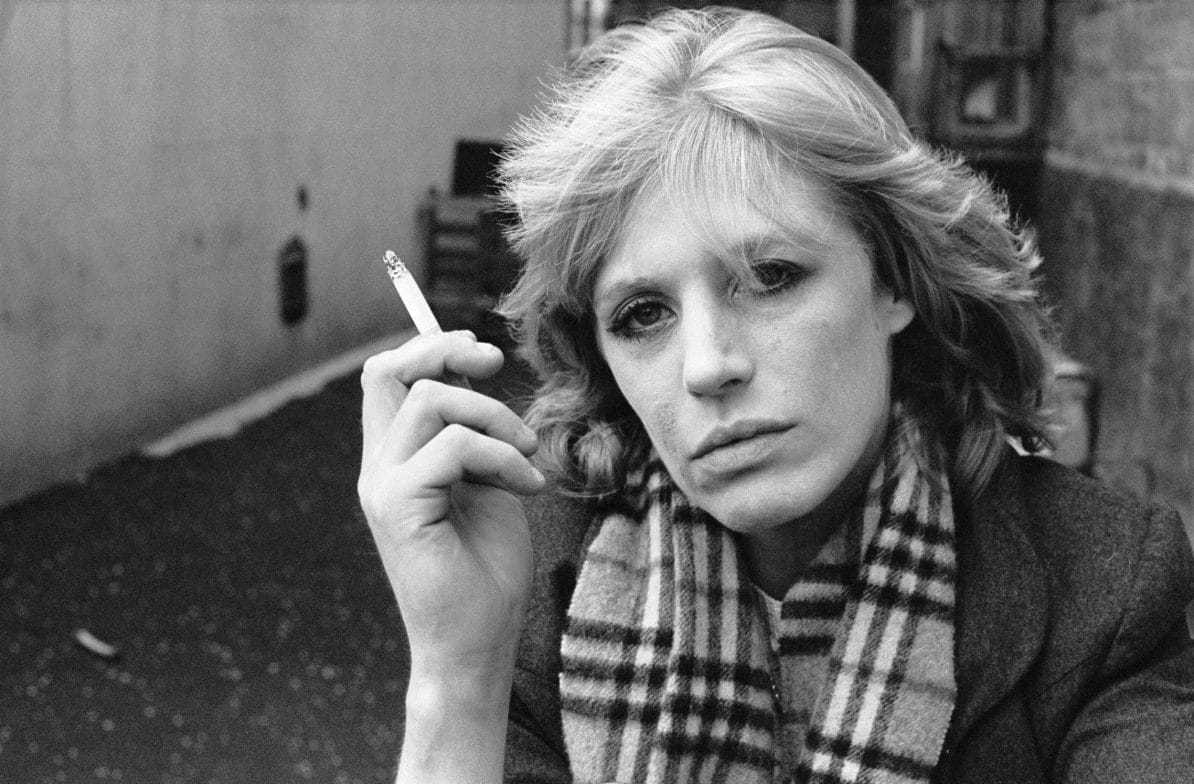
One of the qualities Rob particularly admired was her continued enthusiasm for discovering younger musicians. Despite having been part of the music industry since the 1960s, Marianne remained curious about contemporary music and was always interested in hearing what a new generation of writers had to offer. She had little desire to become trapped by her own history, however remarkable it might have been, and actively sought out people whose ideas and musical influences were different from her own.
For a younger songwriter, the opportunity to work with Marianne Faithfull could be enormously valuable, but the relationship was rarely one-sided. Marianne brought decades of experience, a distinctive lyrical voice and an instinctive understanding of how a song should communicate, while her collaborators introduced new musical approaches that helped keep her work fresh and unpredictable. It was an exchange that benefited everyone involved, and one that became an important part of her later career.
The making of Negative Capability
As the years passed, the working relationship between Rob and Marianne gradually developed into a close friendship, with their conversations about music and life becoming an increasingly important part of the creative process. By the time they came together to work on Negative Capability, released in 2018, they had developed the kind of understanding that can only come from years of working together, and much of the preparation for the record took place through discussions about the songs, their meaning and the people they wanted to involve.
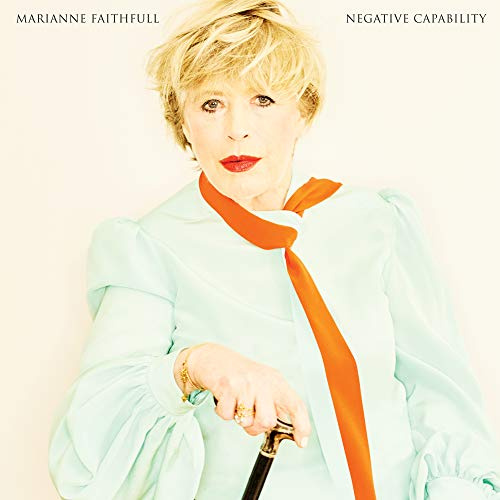
The album was recorded during an intensive period at a château outside Paris, at a time when Marianne was dealing with considerable physical difficulties. She was also reflecting on ageing, the loss of friends and the experiences that had shaped her life, all of which found their way into the material. Yet despite the challenges she faced, her determination to make the record never wavered, and she approached the sessions with the same curiosity and commitment that had characterised her work throughout her career.
Rather than attempting to disguise the changes in Marianne’s voice, Rob and the other musicians involved allowed them to become part of the album’s emotional character. The arrangements were often restrained, leaving space for her phrasing and the extraordinary personality of her singing, and there was no attempt to smooth away the vulnerability that made the performances so affecting.
The resulting record has an intimacy that is sometimes almost startling. Marianne sounds as though she is speaking directly to the listener, sharing memories and reflecting on people and experiences that had become part of her life, while the music provides a sympathetic setting without overwhelming what she has to say. It is an album that makes no attempt to conceal the passage of time, and is all the more powerful for it.
For Rob, the sessions were particularly meaningful, bringing together everything he had learned about working with Marianne over the previous fifteen years. Their friendship meant that they could speak openly about the material, experiment with different approaches and recognise when something had captured the feeling they were looking for. Marianne trusted his judgement, and he understood when to offer an opinion and when it was better simply to allow her to follow her instincts.
That understanding was especially valuable on a record as personal as Negative Capability, where the songs dealt with subjects that were close to Marianne’s heart. The atmosphere in the studio needed to be supportive without becoming overly cautious, allowing her to explore difficult emotions while retaining the spontaneity and humour that were such important parts of her personality.
A friendship that went beyond the studio
There was always something remarkable about Marianne’s ability to move between different musical worlds. From her earliest recordings in the 1960s through to the final decades of her career, she worked with artists from successive generations, never allowing herself to be defined entirely by one period or style. Her willingness to embrace new ideas was part of what kept her music interesting, but it also meant that she formed creative relationships with people whose backgrounds and experiences were very different from her own.
Rob became one of the most important of those collaborators, not because he tried to impose a particular sound on her records, but because he understood her instincts and respected the way she wanted to work. Over time, their shared experiences gave them a musical understanding that went beyond the practical business of making an album, and the friendship that developed between them became an important part of the creative relationship.
For someone whose life had been so extensively documented and whose public image was often shaped by events outside her music, Marianne valued the opportunity to work with people who understood her primarily as an artist. Rob recognised the intelligence and sensitivity behind her songwriting, as well as the humour and curiosity that made her such engaging company, and their conversations frequently ranged far beyond whatever project they happened to be working on.
Their relationship also offers an insight into the less visible aspects of record production. While the technical skills involved in making records are obviously important, much of a producer’s contribution lies in understanding the person making the music and creating an atmosphere in which they feel comfortable enough to take risks. Some artists need encouragement, others need space, and occasionally the most valuable thing a producer can do is recognise that a performance has already captured something special and resist the temptation to improve it.
With Marianne, whose voice and personality were so distinctive, there was little point in trying to mould her into something else. The challenge was to find the right musical setting, bring together sympathetic collaborators and create the circumstances in which she could give her best performances. Rob’s experience as a musician helped him understand that balance, while the trust they developed over the years allowed them to work together with an ease that would have been difficult to achieve in a more conventional artist-producer relationship.
When Marianne died in January 2025, she left behind an extraordinary body of work spanning six decades, much of it made in collaboration with some of the most influential musicians of their time. Rob’s contribution to her later recordings was part of that history, but their relationship had long since become much more than a collection of album credits.
What began with Before the Poison grew into a friendship sustained by a shared love of music, mutual respect and years of conversations and experiences. For Rob, Marianne was not simply a legendary singer whose records he had helped to make, but a friend and collaborator whose intelligence, curiosity and remarkable character had made a lasting impression on his life.
Their work together is a reminder of how much great music depends on the relationships between the people making it, and how the trust that develops over years of collaboration can become just as important as the musical skills they bring to the studio. In Marianne Faithfull, Rob Ellis found an artist whose extraordinary voice was matched by an equally extraordinary personality, and a creative partnership that became one of the most meaningful of his career.
About Rob Ellis
Rob Ellis is a British record producer, musician, arranger and composer whose career has included longstanding collaborations with PJ Harvey and Marianne Faithfull, alongside work with Anna Calvi, Scott Walker, Bat for Lashes, Placebo, Torres and Katherine Priddy.
A founding member of the original PJ Harvey trio, he played drums on her debut album Dry before continuing to work with her as a musician and producer, including on the Mercury Prize-winning Stories from the City, Stories from the Sea. His work spans a wide range of musical styles, with a particular emphasis on performances, arrangements and creating recordings that reflect the individual character of the artists he works with.
Rob Ellis is represented by Stephen Budd Music. For production enquiries and further information, visit Record-Producers.com.
Frequently Asked Questions
How did Rob Ellis start working with Marianne Faithfull?
Rob Ellis first worked with Marianne Faithfull in 2003 during the recording of Before the Poison. He became involved through his longstanding musical partnership with PJ Harvey, who had written songs for the album, and the sessions marked the beginning of a creative relationship and friendship that continued for more than two decades.
Which Marianne Faithfull albums did Rob Ellis work on?
Rob Ellis collaborated with Marianne Faithfull on recordings including Before the Poison and Negative Capability, becoming an important musical collaborator during the later part of her career.
Did Rob Ellis produce Negative Capability?
Rob Ellis was part of the production team behind Marianne Faithfull’s 2018 album Negative Capability, which also featured contributions from Nick Cave, Warren Ellis and Ed Harcourt.
Which other artists has Rob Ellis worked with?
Rob Ellis has worked with PJ Harvey, Marianne Faithfull, Anna Calvi, Scott Walker, Bat for Lashes, Placebo, Nick Cave, Warren Ellis, Torres and Katherine Priddy, among others, as a producer, musician and arranger.
How can I contact Rob Ellis for record production?
Rob Ellis is represented by Stephen Budd Music, and production enquiries can be made through Record-Producers.com.